In 2025, global health equity was shaped by overlapping crises—climate disasters, political instability, and renewed attacks on foreign aid. These challenges did more than strain health systems; they exposed long-standing inequities that continue to determine who has access to care, and who does not.
Across our blogs and social platforms, certain stories resonated more deeply than others. Here are the themes that defined our year:
Maternal Health and the Right to Safe Birth
Where a person lives should never determine whether they survive childbirth. Yet for millions of women worldwide, pregnancy still comes with unacceptable risk.
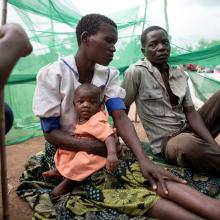
In 2025, our most-read stories centred on the lived realities of maternal health—long journeys to clinics, the absence of safe housing near hospitals, and the power of community-based care to change outcomes.
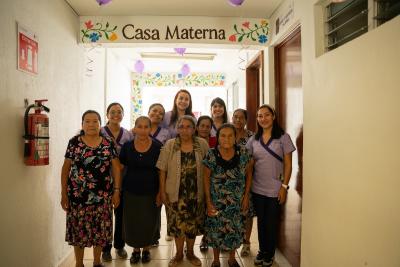
Compañeros En Salud staff stand with traditional midwives in the new Casa Materna, opened in partnership with the Ministry of Health. The Compañeros En Salud staff include Mariana Montaño, Fernanda Baroja, Azucena Espinoza, Cristina Torres and Ameyalli Juárez.
Photo by Francisco Téran / Partners In Health.
Featured blogposts
- How Mothers Arrive at PIH Clinics Around the World
- PIH Opens New Maternal Home in Chiapas, Mexico
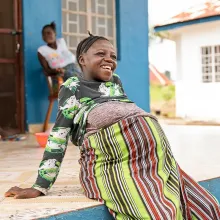
- Photo Essay: Giving Birth, Becoming a Mother in Sierra Leone
Together, these pieces highlighted how accompaniment, infrastructure, and dignity-centred care can transform the experience of pregnancy and birth—especially for those historically excluded from health systems.
Global Health Crises and Emergency Health Response
In 2025, global health systems were tested by overlapping crises—from climate-driven disasters and political instability to gender-based violence that demands urgent, survivor-centred care. These moments reinforced a critical truth: emergency health response is not only about rapid action, but about the strength, coordination, and equity of health systems long before crisis strikes.
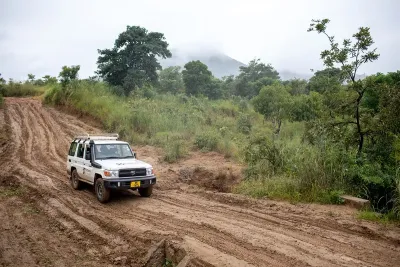
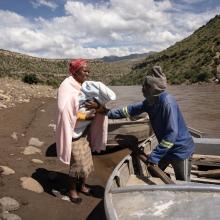
APZU staff traveling in poor road conditions made worse by Cyclone Freddy to conduct home visits in Malawi in 2023.
Zack DeClerck / PIH
Featured content
- Cyclone Chido Rips Through Malawi, Devastating Thousands
- A Canadian Response to a Global Health Crisis
- What a Gender-Based Violence Response Looks Like
Together, these pieces illustrate how effective emergency health response relies on sustained investment, integrated services, and trust built within communities. Whether responding to climate emergencies, navigating global health crises, or delivering a comprehensive gender-based violence response, equitable care depends on preparedness, accountability, and long-term accompaniment.
Structural Violence and the Politics of Health
Some health inequities are not accidental. They are produced by policy, power, and history.
In 2025, several high-performing social posts tackled these uncomfortable truths head-on, responding to viral misinformation and oversimplified narratives about aid and effectiveness.
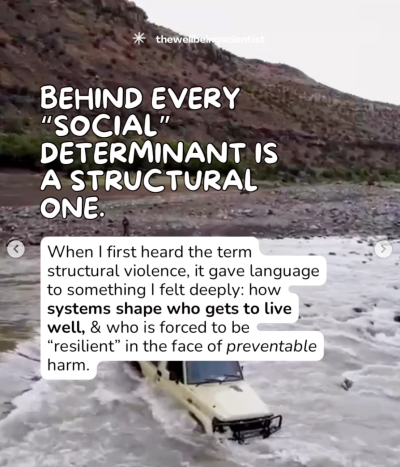
Featured social posts
- On Structural Violence (in a fantastic collab with Karli,The Wellbeing Scientist)
- 60% of Foreign Health Aid Is Wasted? (response video by National Director Mark Brender)
These posts invited audiences to look upstream, to understand how political and economic systems shape health outcomes long before a patient enters a clinic.
Paul Farmer’s Legacy and the Future of Health Justice
Movement-building requires memory. In 2025, our community paused to honour the ideas that continue to guide our work.
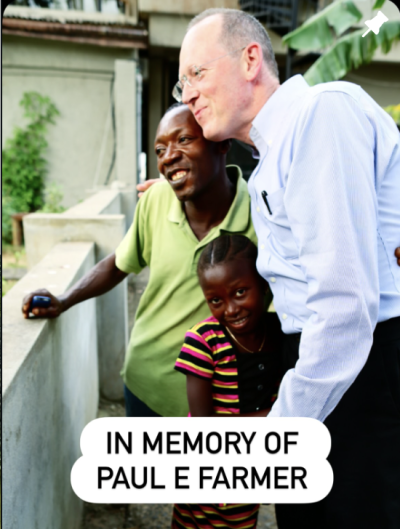
Featured social posts
Dr. Farmer’s legacy is not only one of service, but of imagination—of insisting that better systems are possible, and that the poor deserve the very best care. We dive into that and much more in our book club, join us!
Together, these stories reflect a year of commitment to equity, care, and accountability.
As we move forward, they continue to remind us that global health progress is not inevitable. It is built—patient by patient, system by system, and story by story.
If you’d like to keep following the conversation, you can find us on LinkedIn, Facebook, Instagram, and Bluesky, where we share stories from the field, insights on global health, and what we’re learning along the way. Drop us a follow.