For more than two decades, increased global health financing has reduced deaths from HIV, tuberculosis, and other infectious diseases. It has also expanded access to primary health care in low- and middle-income countries. Now, that progress is at risk as a growing global health funding gap emerges.
Recent reports from global health researchers, including IHME and the WHO, show that foreign aid for health is dropping sharply, at the exact moment when health systems are facing severe economic pressure and overlapping crises from climate shocks to rising burdens of chronic disease.
For organizations working alongside ministries of health, community health workers, and patients, understanding where the funding gap is and why it matters is essential to navigating a fast-changing landscape.
A reversal after decades of gains
In the early 2000s, global health funding expanded dramatically, fueling historic progress in responding to the world’s burden of disease. HIV mortality fell by nearly two-thirds, and under-five mortality continued its long downward trend well into the 2010s. These gains were the result of sustained public investment.
That trajectory has now shifted. IHME’s State of Global Health Funding 2025 analysis shows Development Assistance for Health (DAH) falling from US$49.6 billion in 2024 to US$39.1 billion in 2025: a 21% drop in one year. The primary driver is a 67% reduction in U.S. global health spending, though several European donors have also reduced their commitments. At the same time, Canada’s recent 2025 federal budget locks in new reductions to its foreign-aid envelope — including funding for international health — beginning in 2026-27.
Forecasts show DAH dropping again to about US$36.2 billion by 2030.
To put this in perspective: global health support is now less than half its level at the peak of the COVID-19 pandemic, when governments briefly rallied around shared needs.
Cuts are steepest where needs are greatest
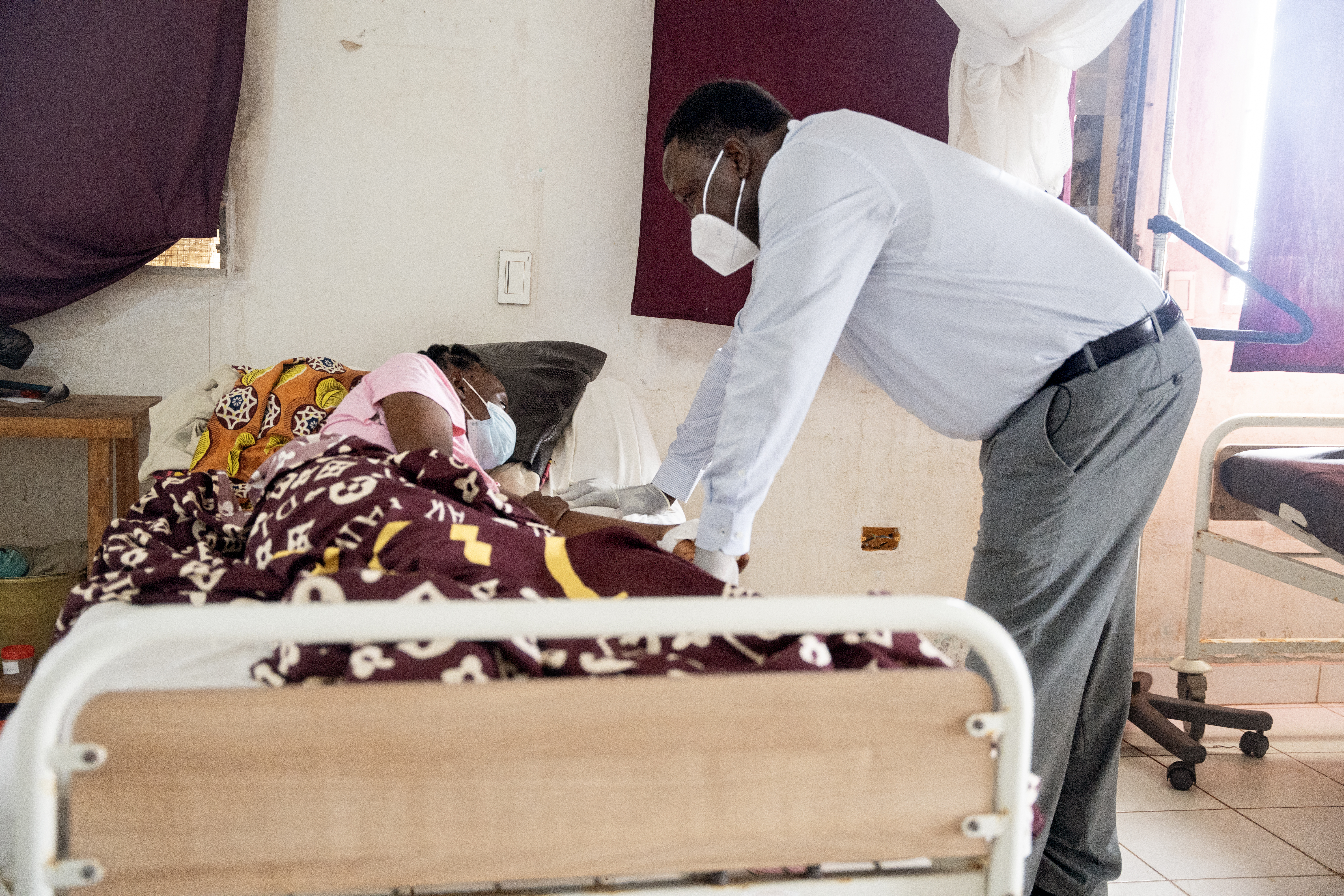
Countries such as Malawi, Mozambique, Lesotho, and The Gambia may lose 14–17% of their total health spending once donor reductions are factored in. Haiti is also projected to see steep relative cuts, despite already limited domestic resources.
Baseline investment is already extremely low: most low-income countries spend roughly US$40 per person per year on health once domestic budgets, donor support, and out-of-pocket payments are factored in. High-income countries spend close to 300 times more.
In settings with such constrained budgets, even a modest reduction in external financing can unravel years of progress.
Health systems under strain: what cuts look like on the ground
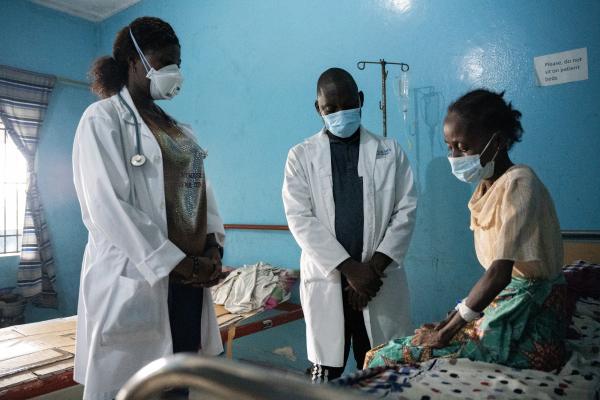
Cuts directly affect program delivery and patients around the world.
WHO’s rapid country assessments (March 2025) found that 70% of low- and middle-income countries were already experiencing disruptions to essential health services due to funding pauses or reductions. The most affected areas include:
- outbreak preparedness and public health surveillance
- core HIV and TB services
- maternal and child health
- community-based care
- humanitarian programs in crisis settings
On average, WHO found that 2025 disruptions were about three-quarters as severe as those seen at the height of COVID-19 service interruptions.
Tuberculosis
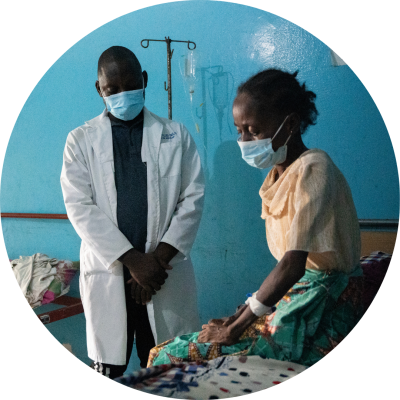
Global TB spending stood at US$5.7 billion in 2023, far below the US$22-billion annual target set for 2027. In Africa alone, the annual funding gap for TB prevention, diagnosis, and treatment is about US$3.6 billion. IHME modelling indicates that, if not reversed, these cuts will claim an additional 1.2 million lives by 2035. Waning donor support also accelerates the risk of the world facing an untreatable, drug-resistant strain of TB that the WHO warns could threaten millions of lives.
HIV and sexual and reproductive health
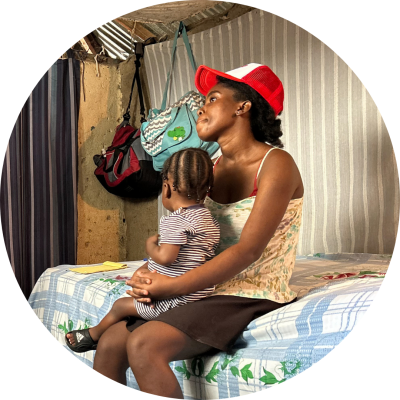
As detailed in the IHME and WHO briefs, early termination of HIV programs in countries like Malawi has already led to reduced access to pre-exposure prophylaxis, longer wait times for lab results, and the closure of community-based services serving key populations at heightened risk of HIV infection, including adolescent girls and young women, men who have sex with men, and female sex workers. UNAIDS data from sub-Saharan Africa shows cuts have caused substantial reductions in treatment initiation and viral load testing, as well as a rise in treatment interruptions.
These service disruptions will undoubtedly translate into human suffering: The Lancet HIV projects an additional 3 million deaths from HIV by 2030 if these cuts are not reversed.
Nutrition and maternal–child health
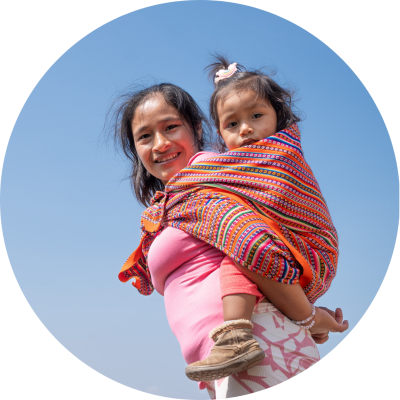
2025 is set to be the first year this century where child deaths will increase — a horrible marker of progress unravelling. Estimates in the UNICEF and WHO assessments warn that cuts to nutrition assistance, up to 44% in some streams, could reverse progress in treating severe acute malnutrition, a condition contributing to roughly one in five under-five deaths.
Humanitarian crises
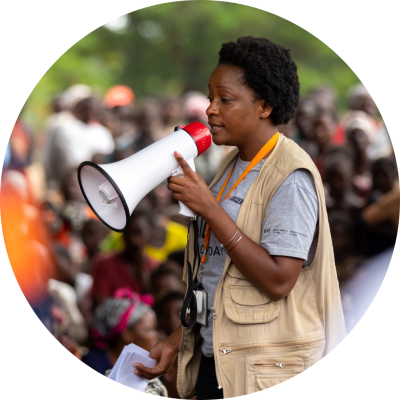
In Haiti, only 8–9% of the 2025 humanitarian appeal had been funded by mid-year. This has forced humanitarian actors to make gut-wrenching decisions about how to prioritize limited resources. Only a fraction of the 3.6 million people requiring aid will receive it, with food security, access to drinking water, health care, and protection services most affected.
The suspension of major U.S.-funded programs disrupted supply chains and forced closures of women’s safe spaces, clinics, and community services.
Across sectors, the pattern is similar: cuts do not simply reduce the volume of care. They weaken the systems that make care dependable.
Why domestic budgets can’t fill the gap alone
A common argument is that lower-income countries should “step in” to replace lost donor funding. The data suggests that this is unrealistic.
The domestic budget space for health faces extreme pressures from multiple sources, including high debt servicing costs, inflation and trade disruptions, and shrinking fiscal space. In light of these constraints, IHME estimates that per-capita health spending in low-income countries will remain nearly flat over the next five years. Meanwhile, many governments are contending with:
- high debt servicing costs
- climate shocks
- inflation and trade disruptions
- shrinking fiscal space
Without new external resources, governments often face two bad options: cutting services or increasing user fees. WHO consistently warns that user fees at the point of care lead to patients delaying or avoiding treatment.
Primary health care and community health worker programs are especially vulnerable. A recent assessment shows the funding gap for community health workers in sub-Saharan Africa has grown to US$5.4 billion per year, even though fully funding CHWs would cost as little as US$1.50–$13 per person annually.
What needs to happen now
Recent guidance from WHO and the Lancet Global Health Commission on Primary Health Care points to several priorities for protecting health systems in the years ahead:
1. Protect households from financial barriers
Countries should avoid filling gaps by increasing user fees. Both donor and domestic decisions must be guided by equity, protecting the most vulnerable from the cost of care.
2. Prioritize primary health care
Investments should focus strengthening public systems for primary health care, with an emphasis on essential medicines, surveillance, community health workers, and core HIV/TB/maternal-child health programs.
3. Strengthen pooling and strategic purchasing
Where possible, health funds should be pooled and directed toward integrated, predictable, high-quality care rather than short-term, fragmented projects.
Longer term, the Lancet Global Health Commission on financing primary health care calls for publicly financed PHC systems, free care at the point of use, and payment models that reward continuity and quality.
The stakes
Cuts made now will shape health outcomes for years. They will determine who gets care, which diseases resurge, and how prepared the world is for future pandemics.
Closing the funding gap, and using available resources more fairly and effectively, is a test of global solidarity and of whether we truly believe health care is a human right.